
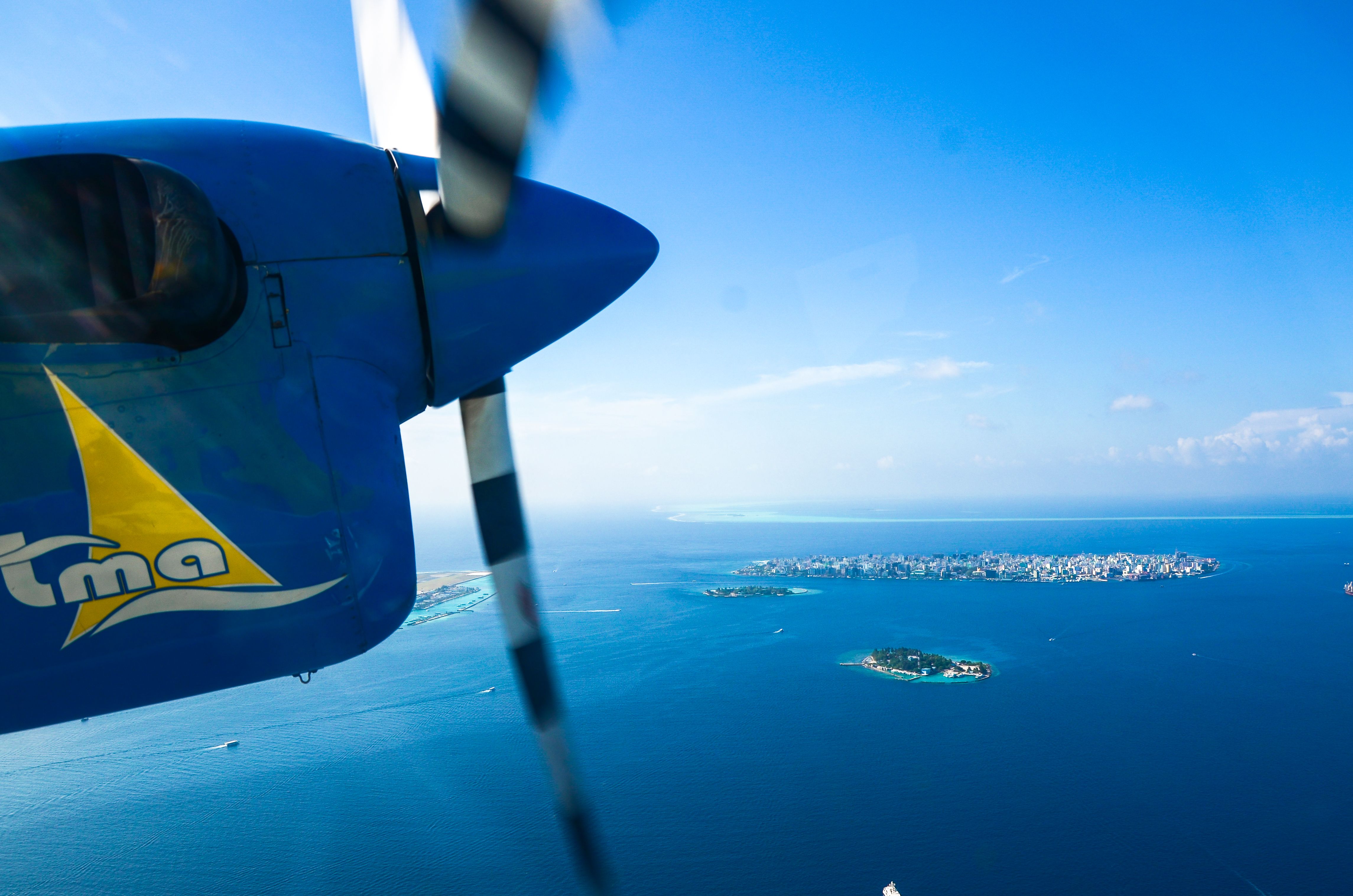
Maldives trips are often resort-based, but local-island stays, diving, boat transfers and onward travel can change the health plan. Dengue prevention, food and water safety, sun exposure and access to medical care are usually more important than malaria.
Remote islands may have limited medical facilities, so existing conditions, pregnancy, diving fitness and insurance deserve attention before departure.
A self-contained resort with treated water and on-site care differs from travelling between local islands or staying for work. Diving, snorkelling and boat travel add ear, pressure, marine injury and evacuation considerations.
Longer stays and local food exposure may make hepatitis A, typhoid or hepatitis B discussions more relevant. Transit through another country may also affect certificate requirements.
Hepatitis A, tetanus and routine UK vaccines are commonly reviewed. Typhoid may be considered for longer stays or local-island travel, while hepatitis B may be relevant for extended stays or medical and sexual exposure.
The Maldives is malaria-free, but dengue and other mosquito-borne infections can occur. Bite avoidance is important during the day as well as evening. Travellers should also plan for dehydration, sunburn, food illness and safe diving.
Book four to six weeks before travel if vaccines may be needed or if you have a medical condition affecting diving or remote care. Bring resort or island details, transit countries and planned activities.
Use high-factor sun protection, hydrate, use repellent and choose safe food and water. Make sure insurance covers diving depth, boat transfer and medical evacuation from an island.
Northwest Travel Clinic can keep Maldives preparation proportionate: checking routine protection, hepatitis and typhoid exposure, dengue precautions, diving plans and onward travel without suggesting malaria tablets where they are not needed.