
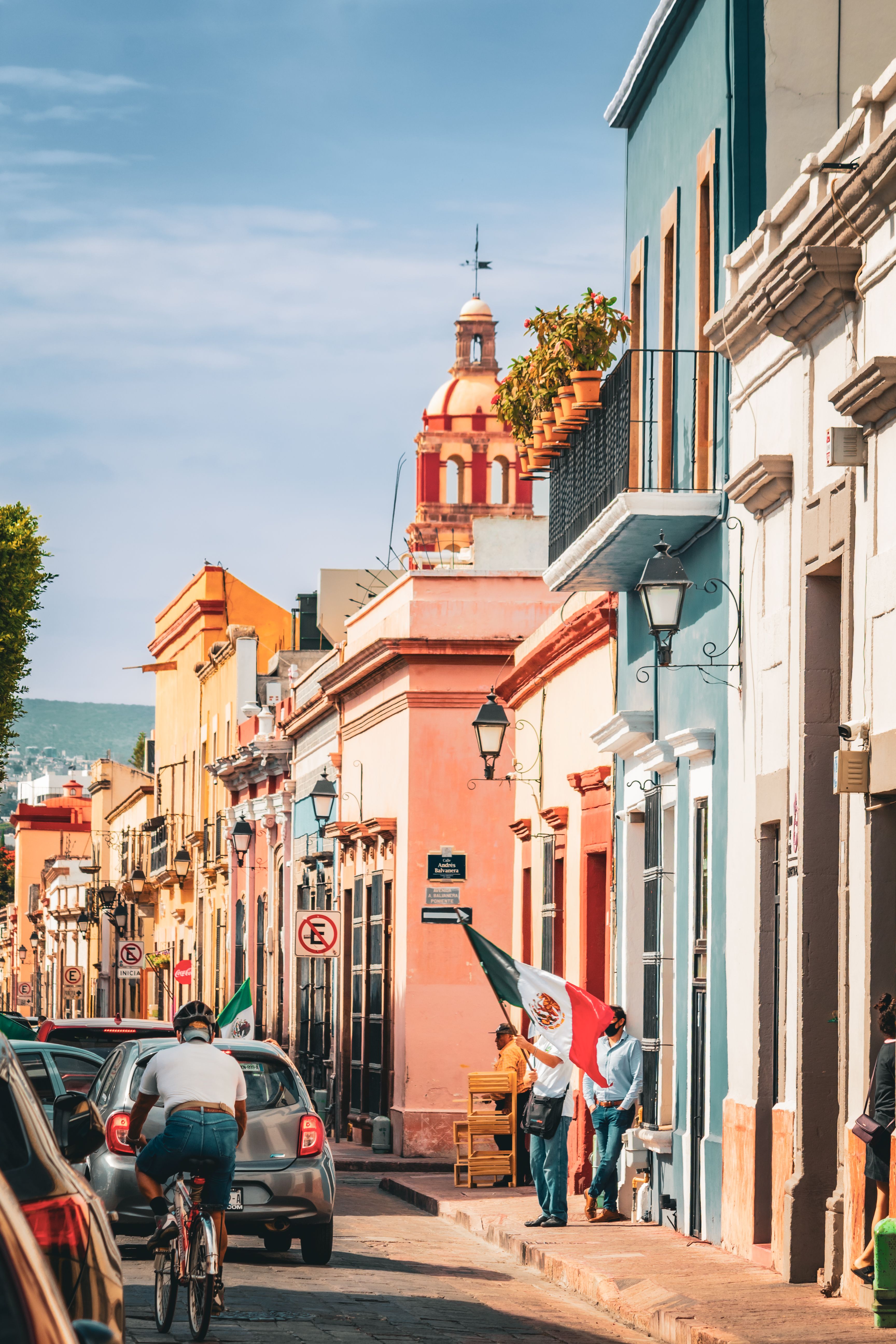
Mexico travel ranges from resort holidays and city breaks to rural family visits, jungle routes, diving and long overland trips. A week in a large coastal resort usually creates a different health plan from extended travel through Chiapas, Oaxaca or remote communities.
Food and water illness and daytime mosquito bites are often more relevant than travellers expect. Your accommodation, season, activities and access to care should guide the discussion.
Mexico offers major cities, archaeological sites, beaches, cenotes, mountains and wildlife areas. Independent road travel, volunteering, visiting relatives and longer stays can increase exposure to local food, animals and medical treatment.
Diving, caving, cycling and remote excursions make injury planning and tetanus protection more important. Side trips through Central America may also change certificate or malaria advice.
Hepatitis A and routine UK vaccines are commonly reviewed. Typhoid may be considered for longer stays, family visits or travel with less reliable food hygiene. Hepatitis B and rabies may be relevant for some travellers.
Dengue is present in many areas and is spread by mosquitoes that often bite during the day. Malaria risk is low and localised, so tablets are not routine for most resort or city itineraries. Bite avoidance remains important because mosquito risk is broader than malaria alone.
Book four to six weeks before departure where possible. Bring your full route, including rural overnight stops and onward countries, plus your vaccine history and regular medicines.
Use repellent, choose freshly cooked food, be cautious with untreated water and ice, and arrange insurance that covers planned activities. Seek prompt advice after animal bites and for fever during or after travel.
Northwest Travel Clinic can tailor Mexico advice to a resort stay, city route, family visit or rural journey. A focused appointment can clarify whether you need more than routine vaccines and hepatitis A, and whether any localised malaria or rabies precautions apply.